
ManukaHoney: What Makes This Special Honey So Unique?
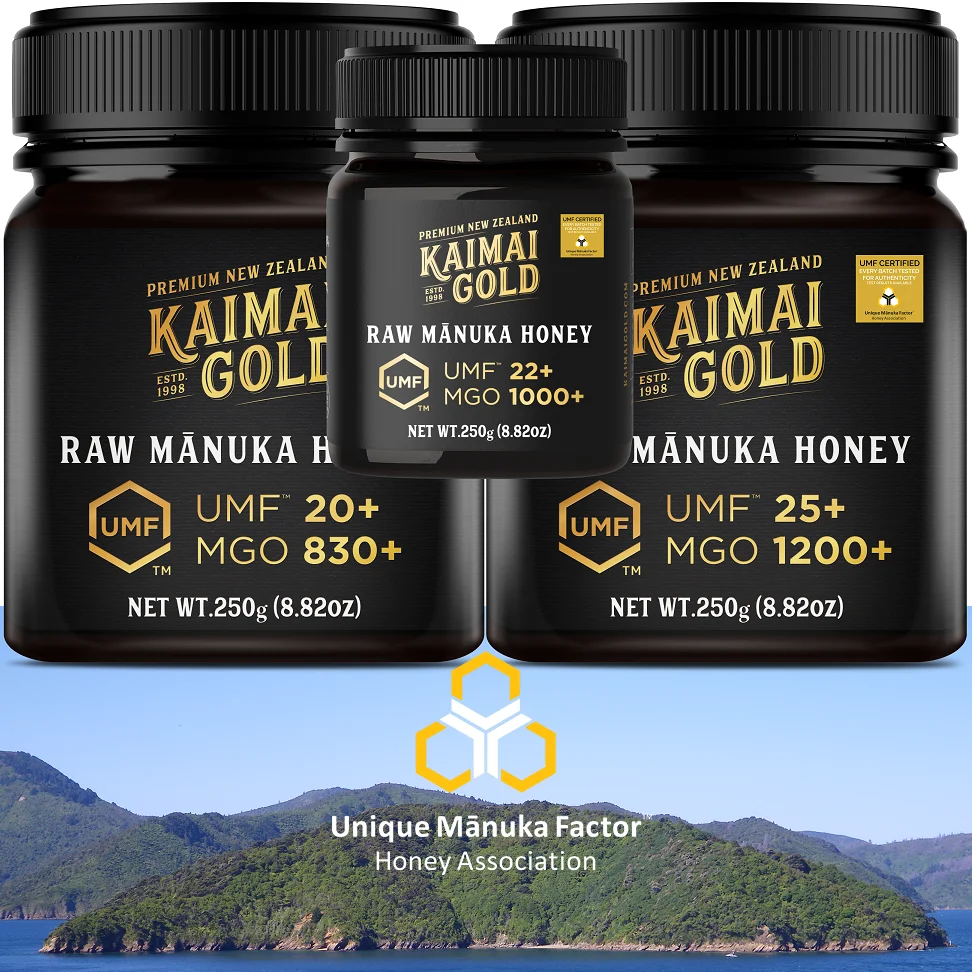
Manuka Honey: A special, unique & intense gift from nature.
ManukaHoney: What Makes This Special Honey So Unique?
Manuka Honey has become one of the most unique and sought-after types of honey in the world in recent years.
Originally from New Zealand, Manuka Honey is made by bees that collect nectar from the Mānuka bush (Leptospermum scoparium).
But what makes Manuka Honey so different from regular honey?
What Is ManukaHoney?
Manuka Honey is produced from the nectar of the Mānuka bush, a shrub that is mainly found in New Zealand.
The plant is known for its small white flowers and grows in areas where nature is still relatively untouched.
Honey naturally contains a variety of nutrients and bioactive compounds. Manuka Honey stands out because of its particular composition, which is why it has been the subject of extensive research.
The unique properties of Manuka Honey are linked to the natural compounds that are present during the honey’s production.
One of these is methylglyoxal (MGO), a compound that has received a lot of attention in scientific research.
What Does the MGO Rating Mean?
If you shop for Manuka Honey, you’ll often come across labels such as MGO 100+, MGO 250+, or MGO 500+.
MGO stands for methylglyoxal, and the rating indicates how much of this compound is present in the Manuka Honey.
Generally speaking, the higher the MGO rating, the more concentrated the compound is.
However, a higher MGO rating doesn’t automatically mean that the honey is the best choice for everyone.
The right variety depends on how you plan to use the honey and, of course, on your personal preference.
The Taste of ManukaHoney
Manuka Honey has a distinctive flavor that can be quite different from varieties such as wildflower or acacia honey.
It’s often described as rich, full-bodied, and slightly spicy, with earthy undertones.
That bold flavor is exactly what makes Manuka Honey so appealing to people who enjoy trying unique types of honey.
You can enjoy Manuka Honey on its own, for example on toast or stirred into yogurt, but it’s also delicious in tea or as an ingredient in all kinds of recipes.
How Do You Use ManukaHoney?
There are plenty of ways to enjoy Manuka Honey:
- On its own, for example by the spoonful
- Stirred into yogurt, quark, or oatmeal
- As a natural sweetener in tea or other hot drinks
- Spread on bread, toast, or crackers
- Added to smoothies or dressings
- As an ingredient in sweet recipes
If you want to preserve as much of Manuka Honey’s characteristic properties as possible, it’s best not to expose it to high temperatures for long periods of time.
What Should You Look for When Buying ManukaHoney?
Not all honey sold as Manuka Honey is the same.
That’s why it’s important to pay attention to its origin, quality, and how the Manuka Honey is certified or tested.
You may come across different quality systems and ratings on the packaging. Take a close look at the information on the label and, preferably, choose a trusted producer that is transparent about where the honey comes from and what it contains.
As with other types of honey, Manuka Honey should not be given to children under one year old because of the risk of infant botulism.
Why Is ManukaHoney Relatively Expensive?
Manuka Honey is often more expensive than regular honey.
This is partly due to its limited geographical origin, the availability of Mānuka flowers, production conditions, and the demand for Manuka Honey with a high MGO rating.
As a result, many people see Manuka Honey less as an everyday sweetener and more as a special product to enjoy mindfully.
Conclusion
Manuka Honey is much more than just a sweet treat.
Its unique origin, distinctive flavor, and particular composition make it an interesting choice for food lovers and anyone curious about unique natural products.
Whether you prefer a milder variety or Manuka Honey with a higher MGO rating, quality, transparent sourcing, and responsible use are what matter most.
That way, you can get the most out of this special honey from New Zealand.
Comments
Be the first to comment...